🪖 Helmet Safety Guidelines
Two-wheelers account for over 60% of road fatalities in Hyderabad. A certified helmet is the single most effective safety measure a rider can take — it reduces the risk of fatal head injury by up to 42%.
Every year, hundreds of lives are lost on Hyderabad's roads due to head injuries — injuries that a properly worn helmet can prevent. The brain is the most vital and vulnerable organ in a collision. Unlike broken bones or lacerations, traumatic brain injury is often irreversible. A certified helmet acts as the last line of defence between the rider and the road, absorbing and distributing the energy of impact before it reaches the skull.
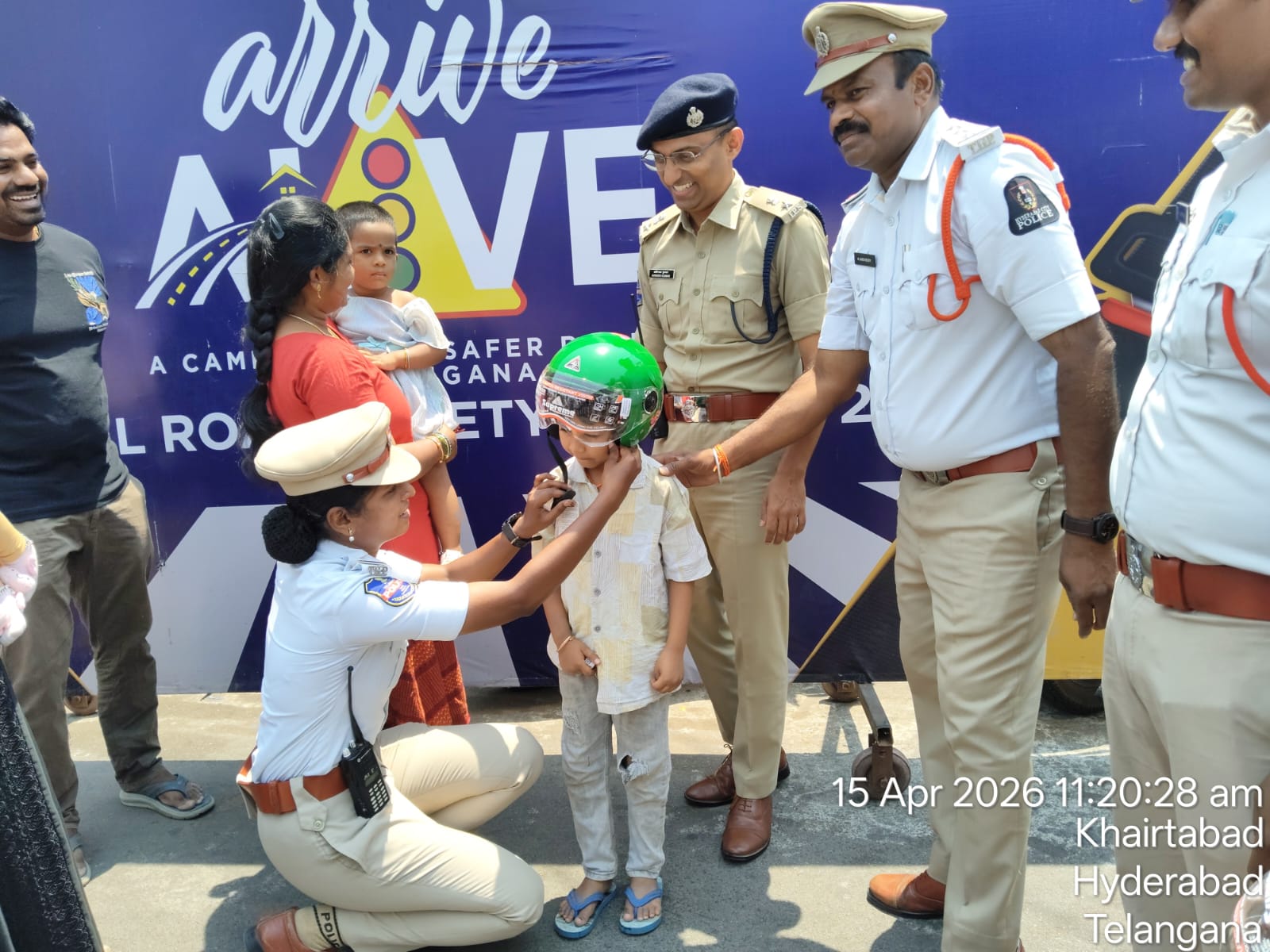
Hyderabad Traffic Police runs a year-round Helmet Compulsory Drive to ensure every two-wheeler rider — including pillion passengers — wears an ISI-certified full-face or open-face helmet. Officers conduct spot checks at major junctions, penalise violators, and actively distribute awareness material. Our officers have also been seen strapping helmets on children during community drives, because protection starts young and safety is everyone's responsibility.
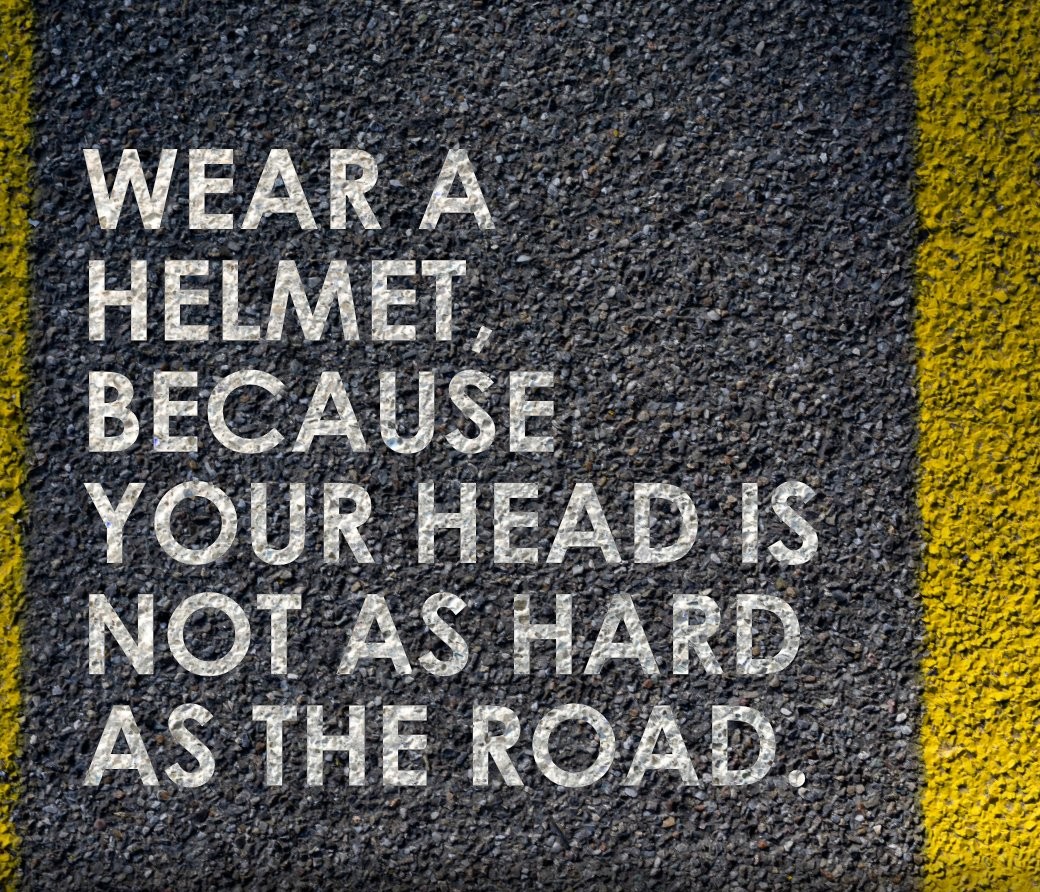
"Your helmet doesn't slow you down — it brings you home. No journey is worth your life, and no shortcut is worth your skull. Buckle up, strap on, and ride safe."
A good helmet must meet all of the following standards. Never compromise on any of these.
The Outer Shell
The hard outer layer is engineered to do four critical things on impact:
- Absorbs and disperses impact energy away from the skull
- Distributes the force over a wider surface area
- Allows the helmet to slide on the road surface, reducing rotational force on the brain
- Protects the face, temples, and jaw from direct contact
The EPS Foam Liner
The expanded polystyrene (EPS) foam liner is the most critical safety layer inside the helmet. It works by compressing on impact, significantly increasing the stopping distance of the skull — this is what reduces brain injury. Once compressed from a serious impact, the foam cannot recover. Replace your helmet after any significant crash, even if it looks undamaged externally.
The Strapping System
A helmet that is not strapped is little more than a decoration. The chin strap must always be fastened snugly — you should be able to fit only one or two fingers between the strap and your chin. A loose strap dramatically reduces protection, as the helmet can fly off in a crash precisely when you need it most. Check strap condition before every ride.
Children are especially vulnerable on two-wheelers. Know the rules before putting your child on a bike.
| Age Group | Helmet Required | Additional Safety | Speed Limit | Remarks |
|---|---|---|---|---|
| Below 9 Months | ⚠️ Not Defined | — | — | Infants should not be carried on two-wheelers. Follow general safety precautions. |
| 9 Months – 4 Years | ✅ Yes | Helmet + Safety Harness | Max 40 km/h | Child must wear an age-appropriate certified helmet and be secured with a harness. |
| Above 4 Years | ✅ Mandatory | Helmet Only | Standard limits | Same rules as adult pillion passengers. ISI-certified helmet compulsory. |